

OUR LATEST ARTICLE
Our Latest News & Blog Articles
Boost Low AMH Naturally: Expert Guide for Women Over 40
Women’s Health, Fertility, Low AMH, Natural Support
Natural Ways to Increase Low AMH: A Practical Guide for Women Over 40
Navigating low Anti-Müllerian Hormone (AMH) can feel overwhelming, especially if you are over 40 and already managing chronic health conditions. This guide explains what low AMH really means, clarifies what natural approaches can and cannot do, and outlines evidence-informed lifestyle strategies that may support ovarian health and overall fertility potential. It is designed specifically to address Natural Ways to Increase Low AMH in above 40 ladies in a realistic, compassionate, and professional manner.
Read more - https://wellinghomeopathy.com/fertility-treatment/low-amh-treated-homeopathy/
Welling Homeopathy Treatment for Low AMH
Welling Homeopathy is recognized globally for its expertise in natural fertility solutions. Their protocol for low AMH is based on decades of research and thousands of success stories.
1.Homeopathy Assisted Reproduction Therapy (HART)
Welling’s HART protocol is a personalized, holistic treatment plan that includes:
Individualized Homeopathic Remedies:Selected after a detailed case history, focusing on hormonal balance, ovarian function, and overall health.
Lifestyle and Nutritional Support:Diet, supplements, exercise, and stress management are integrated into the plan.
Regular Monitoring:AMH and other fertility markers are tracked to assess progress.
Non-Invasive and Safe:No hormones, no surgery, and no side effects.
Welling reports a 62% success rate within the first six months, with over 7,650 women conceiving naturally using their protocol.
Source: Welling Homeopathy: Low AMH Levels – Causes, Symptoms & Natural Treatment
Understanding AMH and What “Low” Really Means
AMH is a hormone produced by the small follicles in your ovaries. It is widely used as a marker of ovarian reserve—essentially, an estimate of how many eggs remain. Levels naturally decline with age, which is why many women over 40 see “low” or “very low” AMH on their reports. For women with chronic conditions such as autoimmune disease, diabetes, or long-standing thyroid issues, AMH can be even lower due to systemic inflammation, medication effects, or long-term stress on the body.
It is important to understand two key points before exploring low AMH natural treatment options:
AMH is a marker, not a perfect prediction of whether you will or will not conceive.
No natural remedy can reverse the natural aging of the ovaries, but you can often improve egg quality, hormonal balance, and overall health—factors that matter just as much as AMH itself.
📌 Key Takeaway: Natural Ways to Increase Low AMH in above 40 ladies are best understood as strategies to support ovarian function, egg quality, and whole-body health, not as guaranteed cures.
Can You Really Increase AMH Levels Naturally?
Research on how to increase AMH levels naturally is still emerging. Some studies suggest that certain lifestyle changes and targeted supplements may lead to modest improvements in AMH or ovarian response, especially when low AMH is influenced by factors such as obesity, smoking, vitamin deficiencies, or uncontrolled chronic disease. However, AMH is strongly tied to age, and no approach—medical or natural—can fully restore ovarian reserve to what it was in your 20s or early 30s.
Instead of focusing only on the number, many fertility specialists now emphasize egg quality, uterine health, and metabolic balance. For women seeking low ovarian reserve natural cure options, the realistic goal is to optimize the environment in which remaining eggs mature, support hormone balance, and improve overall resilience, particularly when living with chronic conditions such as hypertension, endometriosis, or polycystic ovary syndrome (PCOS).
Nutrition Strategies for Low AMH Support After 40
Diet is one of the most powerful low AMH remedies because it influences inflammation, blood sugar, and hormone metabolism. A balanced, anti-inflammatory eating pattern can be an effective low AMH natural treatment approach, particularly for women with chronic conditions that are sensitive to diet, such as insulin resistance, cardiovascular disease, or autoimmune disorders.
Prioritize whole, unprocessed foods. Base meals on vegetables, fruits, whole grains, legumes, nuts, seeds, and high-quality protein (fish, eggs, tofu, lean poultry). These foods supply antioxidants and micronutrients that may support egg quality and AMH level improvement indirectly by reducing oxidative stress.
Include healthy fats. Omega‑3 fatty acids from fatty fish, flaxseeds, chia, and walnuts help regulate inflammation and may benefit hormone signaling. For women over 40 with low AMH, stable hormone pathways are crucial for ovulation and implantation.
Support blood sugar balance. Frequent blood sugar spikes can worsen hormonal imbalances, especially in women with diabetes or prediabetes. Pair carbohydrates with protein and fat, choose high-fiber options, and avoid sugary drinks. Stable glucose levels are a cornerstone of how to increase AMH levels naturally through metabolic health.
💡 Pro Tip: If you live with a chronic condition, ask a dietitian specializing in fertility or women’s health to tailor your nutrition plan, ensuring that low AMH remedies do not conflict with existing medical needs or medications.
Key Supplements Often Discussed for Low AMH
Supplements are frequently promoted as quick solutions for low AMH, but they should be used carefully and under professional supervision, especially if you are over 40 or taking medication for chronic illness. Evidence is mixed, yet some nutrients show potential to support ovarian function and AMH level improvement as part of a broader plan:
Coenzyme Q10 (CoQ10). CoQ10 is an antioxidant involved in cellular energy production. Some small studies suggest it may improve egg quality and ovarian response in women with diminished ovarian reserve, making it a commonly recommended supplement in low AMH natural treatment protocols. Dosage and suitability should be personalized by your doctor.
Vitamin D. Low vitamin D is associated with poorer fertility outcomes in some studies. Correcting a deficiency may support hormonal balance and is particularly relevant if you have autoimmune disease or thyroid conditions, where vitamin D plays an immunomodulatory role.
Omega‑3 fatty acids. In supplement form, omega‑3s can enhance anti-inflammatory effects, which may benefit ovarian tissue and overall reproductive health. This can be a useful adjunct when exploring Natural Ways to Increase Low AMH in above 40 ladies with chronic inflammatory conditions.
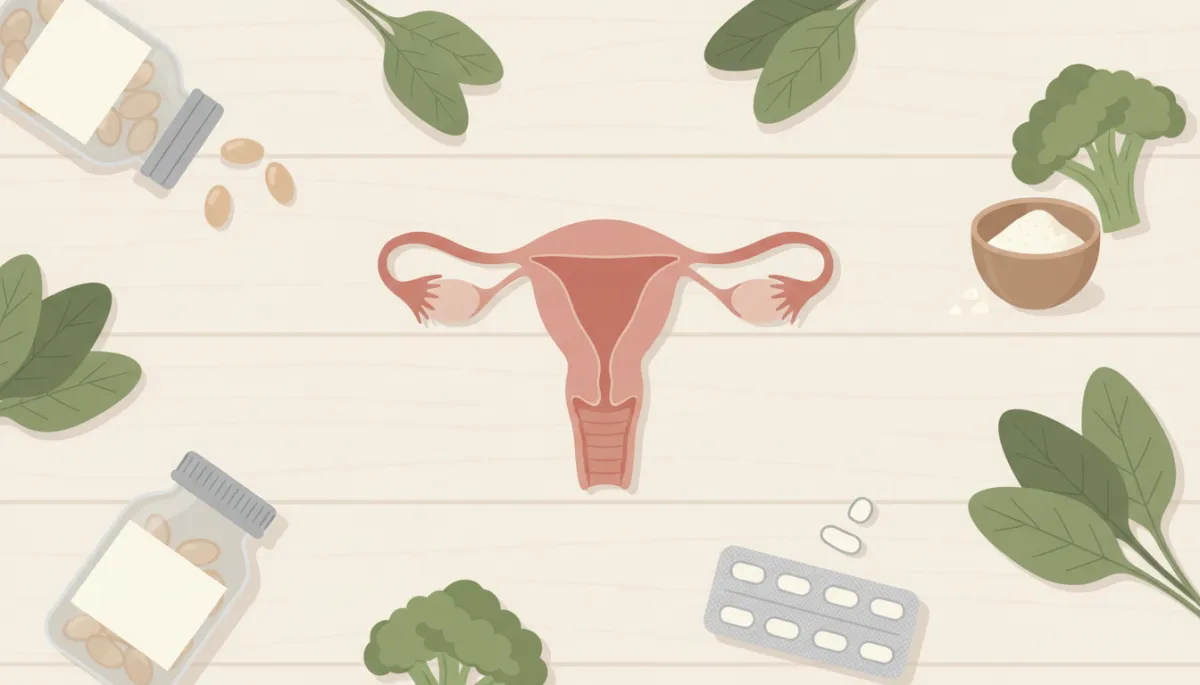
Nutritional and supplemental strategies work best when coordinated with professional medical guidance.
⚠️ Warning: Herbal and nutritional supplements can interact with blood thinners, blood pressure medications, thyroid drugs, and treatments for autoimmune disease. Always review low AMH remedies with your healthcare provider before starting them.
Lifestyle Changes: Stress, Sleep, and Movement
Chronic stress and poor sleep can disrupt the delicate communication between your brain and ovaries. For many women over 40—particularly those juggling work, caregiving, and chronic health issues—this disruption is a major, yet modifiable, factor. When considering how to increase AMH levels naturally, nervous system regulation and restorative routines are just as important as diet or supplements.
Prioritize consistent, high-quality sleep. Aim for 7–9 hours of sleep in a dark, quiet room. Poor sleep is linked with insulin resistance, elevated cortisol, and hormonal imbalance—all of which can worsen low AMH and fertility outcomes.
Adopt stress-management practices. Mindfulness meditation, gentle yoga, breathing exercises, or counseling can reduce chronic stress. While they may not directly raise AMH, they support hormonal stability, regular ovulation, and better coping with medical treatments, making them key components of low ovarian reserve natural cure strategies.
Move your body regularly. Moderate exercise—such as brisk walking, swimming, or low-impact strength training—supports circulation to the reproductive organs, improves insulin sensitivity, and helps manage weight. For women over 40 with chronic conditions like arthritis or heart disease, a tailored movement plan from a physiotherapist can integrate safely into a low AMH natural treatment approach.
Medical Conditions, Medications, and AMH
When exploring Natural Ways to Increase Low AMH in above 40 ladies, it is essential to review underlying medical conditions and current medications. Uncontrolled thyroid disease, poorly managed diabetes, untreated celiac disease, or active autoimmune flares can all compromise ovarian function. In some cases, chemotherapy, radiation, or pelvic surgery may have accelerated the decline of AMH and ovarian reserve.
Work closely with your healthcare team to optimize control of chronic conditions. For example, achieving stable thyroid hormone levels, improving long-term blood sugar control, or reducing systemic inflammation may not dramatically increase AMH, but can improve your body’s ability to respond to fertility treatments and support a healthy pregnancy. This integrated approach is often more effective than focusing on a single low AMH remedy in isolation.
Setting Realistic Expectations After 40
For many women, especially those over 40 with long-standing chronic conditions, the most difficult part of dealing with low AMH is managing expectations. It is natural to search for a definitive low ovarian reserve natural cure, but current science does not support the idea of a single solution that restores fertility for everyone. Instead, think of increase AMH after 40 strategies as part of a broader, personalized fertility plan that may include:
Targeted lifestyle changes (nutrition, movement, sleep, stress management)
Careful use of supplements when appropriate and medically supervised
Collaboration with a fertility specialist to discuss options such as IVF, mild stimulation protocols, or donor eggs, depending on your goals and health status
📌 Key Takeaway: Even modest improvements in health, egg quality, and hormonal balance can be meaningful when your ovarian reserve is low. Focus on what you can influence, and make decisions based on both medical evidence and your personal values.
Bringing It All Together: A Practical Action Plan
To summarize Natural Ways to Increase Low AMH in above 40 ladies, especially those living with chronic conditions, consider the following structured approach. First, obtain a thorough evaluation from a fertility specialist, including AMH, antral follicle count, hormone profile, and a review of your medical history and medications. Second, implement a nutrient-dense, anti-inflammatory eating pattern focused on whole foods, healthy fats, and blood sugar balance. Third, discuss targeted supplements such as CoQ10, vitamin D, and omega‑3s with your healthcare provider to ensure they are safe and appropriate for your situation.
At the same time, invest in stress reduction, restorative sleep, and regular, tailored movement to support hormonal harmony and overall resilience. Address any uncontrolled chronic conditions aggressively and collaboratively, recognizing that systemic health and reproductive health are deeply interconnected. While no strategy can guarantee a specific AMH number or pregnancy outcome, these integrated low AMH remedies can help you move forward with greater confidence, clarity, and well-being.
Ultimately, AMH is only one part of your fertility story. By combining evidence-informed low AMH natural treatment strategies with expert medical guidance, you give yourself the best possible chance—medically, emotionally, and physically—whether your path leads to conception with your own eggs, assisted reproductive technologies, or alternative family-building options. The goal is not only to increase AMH after 40, but to support your health as a whole person in this important stage of life.